How Do We Navigate Into Futures That
I feel like a recovering futurist – I have spent the past few months wandering into the space of the end of things, thinking about what stance I take to the evolution that our systems are in as they face the palliation phase of their existence (whether most people know it or not).
This is not Fukuyama’s the end of history, this is the end of the modernist mindset, the culture I have been born into and been seeped into through my schooling, my growing in Australia during the 1970s and 80s to the present and through the late capitalist system that we operate within.
This ending is not collapse, it may well be a slow grind backwards and pretty nasty, but not the end of our species (nuclear war threats notwithstanding). This is a transition from the ways we understood the world to work, the immutable but socially constructed laws that we took for granted into a space of creation of something else.
Now in middle age, I feel this creation won’t come from me, the future rightly belongs to the young, and those who have been marginalised by our current system. My stance is to stay open, let go and observe, helping the new to emerge where I can.
My recovering futurist self isn’t too beaten up, I didn’t spend all that much time making predictions of the past, but I am aware that I make assumptions about how things roll out over time and I need to be alert and actively working to over come or at least shake these on a regular basis. My desire to think forward has almost disappeared, I still plan holidays and events, and I watch the world’s short term conniptions with interest AND I am not invested, I hold it all lightly and look for the deeper, slower more sustainable patterns of change.
Over the past couple of years, my attention has been pulled into the ways we individually and collectively deal with (or not) our death. It occurs to me, and many others, that our death phobic cultural stance may not be helpful to us as individual humans who will die.
I also think it is not helpful to us a collective, I have spent 20 years working with groups around planning and starting stuff. Almost universally, when asked what they will stop to make space for the new, most people will not stop anything. We are addicted to holding on, pushing through and thrashing things out – persistence and resilience are cardinal values.
My wanderings have led to wonderings – is our phobia of death blinding us to the slow demise of the systems and culture around us?
Is our inability to let go of anything we hold dear not allowing us the space and time to grieve and step into what is emerging?
How do we engage together to allow the emotions to be processed, the remembrances to occur and then the building to begin?
I see this happening in pockets – disconnected people regenerating their relationship to the earth. First Peoples continue to practice their stewardship and love for the planet, but so many of us are extracting and standing separate.
It occurs to me that I am faced with either extracting myself from my culture or I am sitting in my culture and extracting myself from the biosphere – neither of these is comfortable nor natural.
This way we have of being, living and dying is on the way out – the biosphere cannot support so many humans living in this way. We must let go and simplify, and it is the let go process that comes before the simplify. This path is well trodden, there are useful signposts along the way and there are snake oil salesmen and rabbit holes to be aware of, and avoid.
There are no quick fixes, no shortcuts – as Nora Bateson so beautifully says ‘we do not have time to move quickly’. This work is slow, it takes time and attention AND the shifts happen much faster than you might think possible when you begin.
The practices I have found previously helpful - solution thinking and high agency - are great when you have a clear issue and need to sort something out quickly. When the work is emergent and observational, internal and slow – this stance is not your friend.
The distraction industry will not support this work, I needed to disconnect from social media, schedule emails, take time out as much as possible to become quiet and listen to what was being expressed through me.
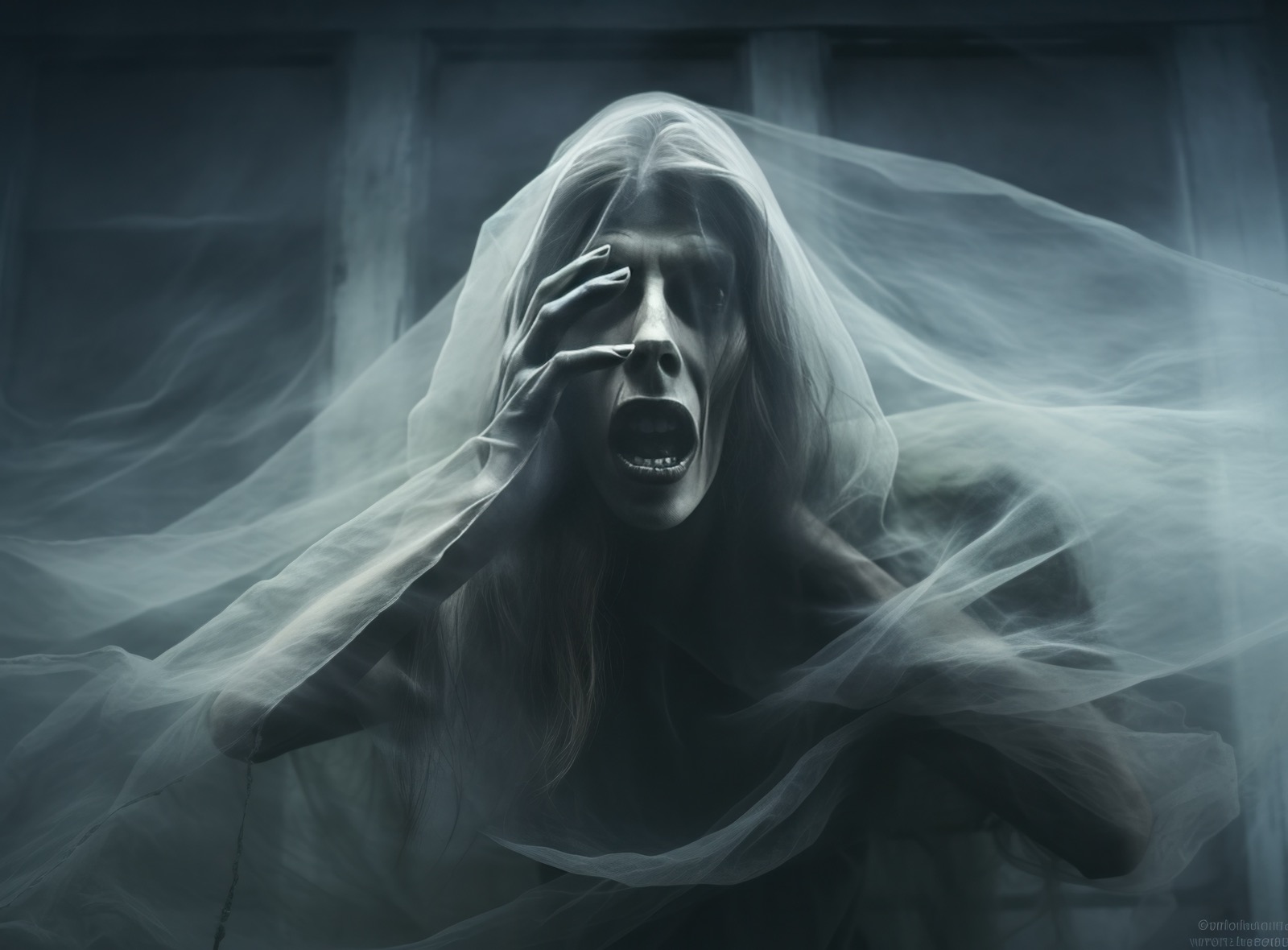
Finding archetypes that support the stance needed has helped, the idea of the banshee - the female spirit who comes when death is near and lets out a bone chilling, heart rending keening sound to let all know that an ending is upon us. It was suggested to me that this figure also holds the grief transition moment from life to death for those around the person who is dying, that the banshee asks us to transition from a world where the one we love to one where they are not. She stands alongside us to hold the grief and asks us to step into the energy associated with loss, letting it go as a loud, embodied expression of loss.
In this time of transition, we need to re-identify and re-create rituals of ending, that compost the useful detritus and allow us to let the rest go. This is the work.
The Art of Unravelling is offered as a gift, sustained by those who feel called to support the weaving. If you’d like to help tend the fabric of this work, you can contribute via the link below.
Walk alongside this work
New posts arrive gently, in season. Subscribe on Substack to receive them, or visit The Seed Bank for printable practices.
Subscribe Visit The Seed Bank