Last week, we began to hear the tones of our systems. We listened for their frequencies, distortions, and the way they shape what ripens in us, but noticing is only the first step. The deeper question is discernment: which structures can still be brought back into resonance, and which are too warped, too brittle, or too extractive to be saved?
This is the essence of hospicing modernity: sitting honestly with the dying notes of our time, and tending both the composting of what must end and the re-tuning of what can still serve life.
Tuning vs. Composting
Not everything can be re-tuned. Some institutions, policies, and cultural scripts are like instruments left too long in the rain and warped beyond play. Others are out of pitch but can be brought back with care.
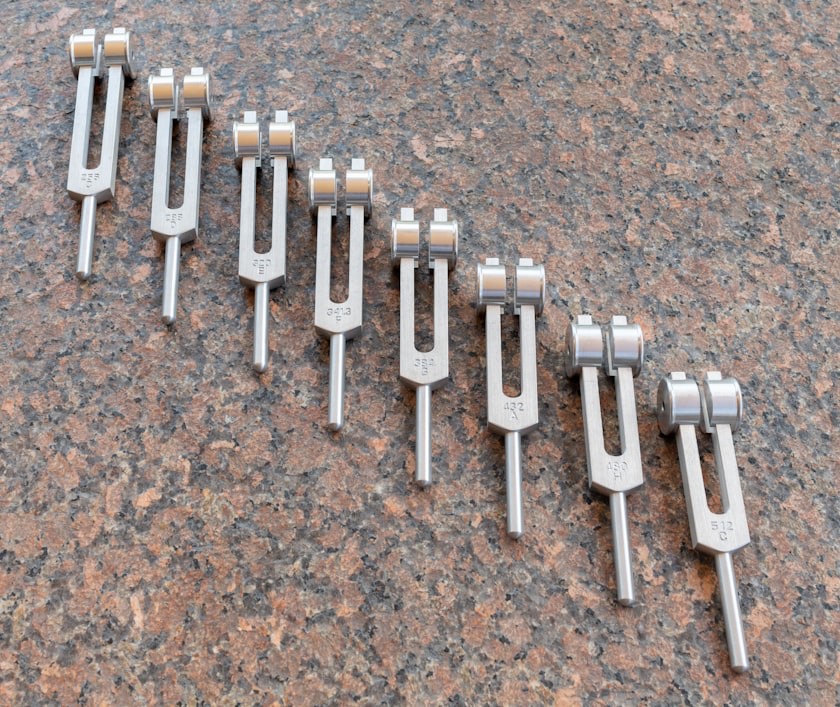
Re-tuning is the patient work of adjustment: shifting habits, re-designing systems, setting boundaries, trying again. It honours what still holds life.
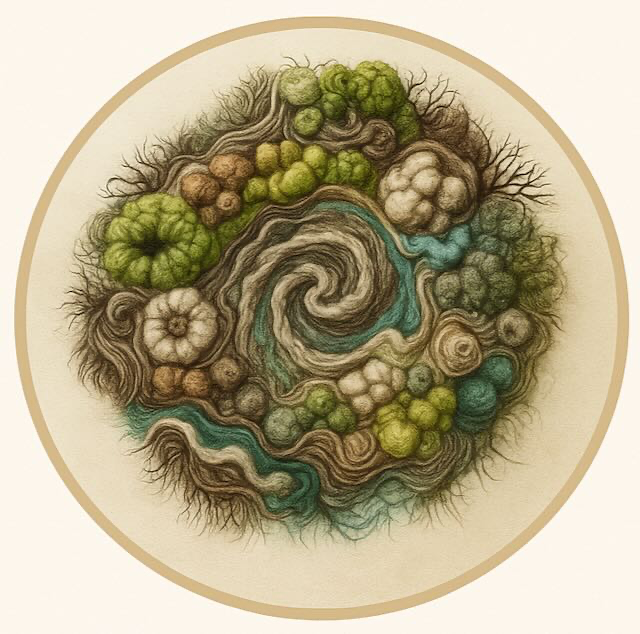
Composting is the work of letting go: allowing broken structures, stories, and identities to return to soil. It honours the truth that decay also feeds what comes next.
Both are necessary, the challenge is knowing which path to take.
Why letting go matters
We learned in the Season of Unravelling that endings are not optional. Every system, like every body, carries its death within it. To keep propping up what is already dying is to exhaust ourselves in denial.
Late modernity is full of such deathbeds: institutions that once served but now extract, traditions that once held but now oppress, structures that continue not because they nourish life but because we fear their absence. And it isn’t only the systems themselves, it is the ways we have been taught to live within them:
Measuring our worth by productivity and performance.
Chasing accumulation while starving for belonging.
Filling every hour with noise while grieving the absence of stillness.
Anyone who has sat with the dying knows this truth: the things most people value at the end are simple, human, relational:
Love given and received
Time in nature
Moments of joy
The sense that they contributed something of meaning
Almost never is it the long hours, the promotions, or the possessions.
To hospice modernity is to recognise that our current systems (and the postures they demand from us) are out of tune with life. Continuing to pour ourselves into them only compounds the damage, not just to our spirits but to the only home we have. Composting is not abandonment. It is fidelity to life. It says: this story, this system, this way of living has run its course and in its decay, it can still feed what is yet to come.
The Four Resonance Tests
Discernment is not simple. Systems rarely announce whether they’re ready to be re-tuned or whether they belong in compost, but there are ways of listening that help us decide.
The Four Resonance Tests offer a structured way to listen deeply while moving from the body to the collective, from instinct to ethics:
The Body Test: Your body knows before your mind does.
The Fruit Test: Look at what ripens here.
The Time Test: Ask how the system behaves over time.
The Fairness Test: Widen the lens.
These tests are not rigid rules, but listening tools. They help you sense the health of a system not by its productivity, but by its capacity to sustain life.
This practice is not offered here as a public walkthrough. It’s held as a contained practice you step into deliberately. One that asks for 30-40 minutes of quiet attention, pen and paper, and the willingness to name what you’ve been avoiding.
If you feel the pull to stop reading and enter the work itself, you’re invited to step into The Four Resonance Tests.
From Discernment to Action
Once you’ve identified what needs re-tuning and what belongs in compost, the next question is: How do I actually do it?
Retune or Compost is a four-step practice that moves from personal audit to systemic action:
Step 1: Personal audit: am I the off-note?
Step 2: Systemic audit: is the field out of tune?
Step 3: The fork of discernment: what can be re-tuned, and what must be composted?
Step 4: Collective ritual (optional): gathering others to name what to keep, what to retune, and what to release
This practice can be done alone or with a group. It takes 20+ minutes, and it asks you to move from reflection into choice.
If you’re ready to move from discernment into action, you’re invited to step into Retune or Compost.
Reflections
What am I trying to keep alive that is already compost?
What am I too quick to discard that might still hold life?
How do I discern between the two?
What ways of living in me no longer serve, even if the system itself remains?
To tune a world in collapse is to walk a paradox. We are not here to save everything. Nor are we here to abandon all. We are here to listen deeply: to re-tune what can still serve life, and to compost the rest with dignity, trusting that both are acts of care.
The Art of Unravelling is offered as a gift, sustained by those who feel called to support the weaving. If you’d like to help tend the fabric of this work, you can contribute via the link below.